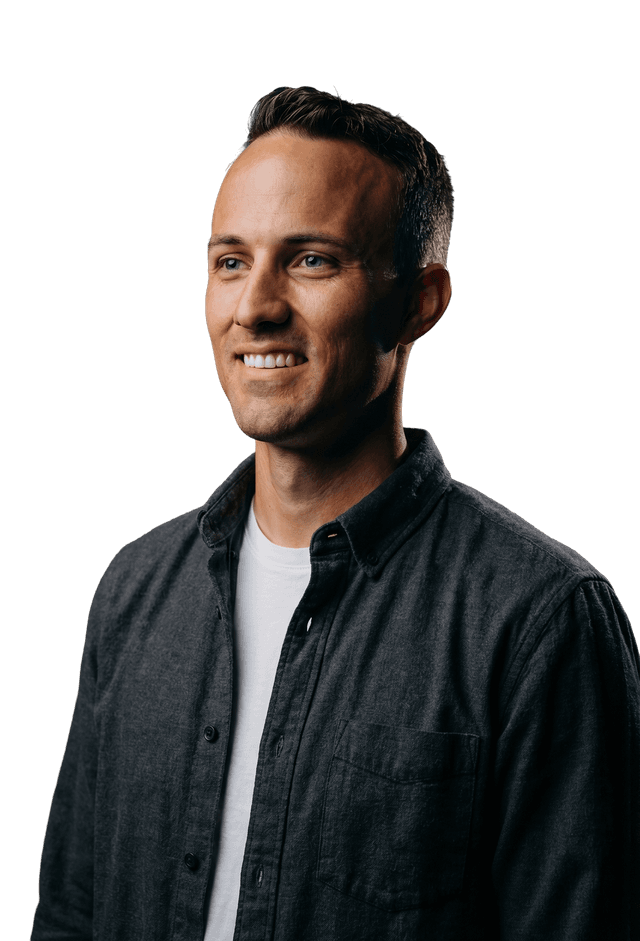
I talked with Michael Grinich, founder of WorkOS, about how he turned a painful enterprise sales gap into a durable product company - and why talking to users still beats staring at your own roadmap.
Michael's first startup hit the classic wall: the product was good enough for early users, but selling to bigger companies required SSO, SCIM, audit logging, and a pile of other "enterprise-ready" features nobody celebrates in a launch blog post. That lived experience is what became WorkOS. The mission on the homepage is basically what he lived: help apps become enterprise ready so they can unlock bigger customers.
Research beats guessing
What I loved about Michael's early validation story is how unglamorous it was.
He cold-emailed and LinkedIn-messaged product managers at Dropbox, Slack, Asana, Airtable - people who had already built enterprise features the hard way. He asked about pain, cost, architecture, security, and how they would consume a solution. Not "would you use this?" compliments. Real Mom Test questions.
And the Silicon Valley surprise still holds: a lot of those people were happy to talk. Enterprise work is rarely the shiny thing that gets you promoted. When someone finally asks about it with genuine curiosity, they light up.
The missing step after YC's slogan
Michael was blunt about a trap a lot of product engineers fall into.
"Make something people want" is true. It is also incomplete.
There is an implied next step: make something people want and pay for continuously, in a way that stays harmonious with how the product works. A lemonade stand on a hot day is something people want. It does not get you through winter.
For workplace software especially, you cannot bolt a random business model on later the way a consumer app might add ads. If the people using it are the ones paying for it, product and business have to be designed together. Otherwise they fight each other.
That framing alone is worth the episode if you are thinking about what to build next.
Durable problems survive the hype cycle
WorkOS was not designed as an "AI company." It was designed around authentication, authorization, observability, security, permissions, and integrations - the boring infrastructure that unlocks revenue.
Then agents showed up. And those same primitives matter even more.
Michael talked about MCP nights, auth for agents, and auth.md - an open protocol so agents can register for services without pretending to be a human clicking through a signup form. The durable bet was not a specific tech fashion. It was a business need that keeps showing up in new form factors.
Talk to users. Then show them.
Two operating principles stood out.
First: talk to users, not only customers and pipeline. When companies grow, the first thing that disappears is proximity to builders. WorkOS biases the whole organization back toward that contact because sitting alone with your idea is how you convince yourself it is brilliant.
Second: live demos are the pinnacle of tech marketing. Michael treats small office meetups like a Comedy Cellar set - a place to bomb safely, refine the story, and only then take the material to the bigger stage. The product story is not decoration. If people are too busy to investigate your magic, you have to show it.
He even pulled in Julia Child as a DevRel model: watch someone actually cook, see yourself in their shoes, believe you could do it too. Seeing is believing. Monkey see, monkey do.
The homework
Michael's homework is wonderfully specific.
Spend an afternoon with Andrej Karpathy's "Let's build GPT from scratch" video. You do not need to become a researcher. You need enough of the underpinnings that you are not disconnected from the systems you are building on. Like knowing how to make bread even if you buy it most days.
If you build with agents all week and still treat the model as pure magic, that afternoon will change how you think.