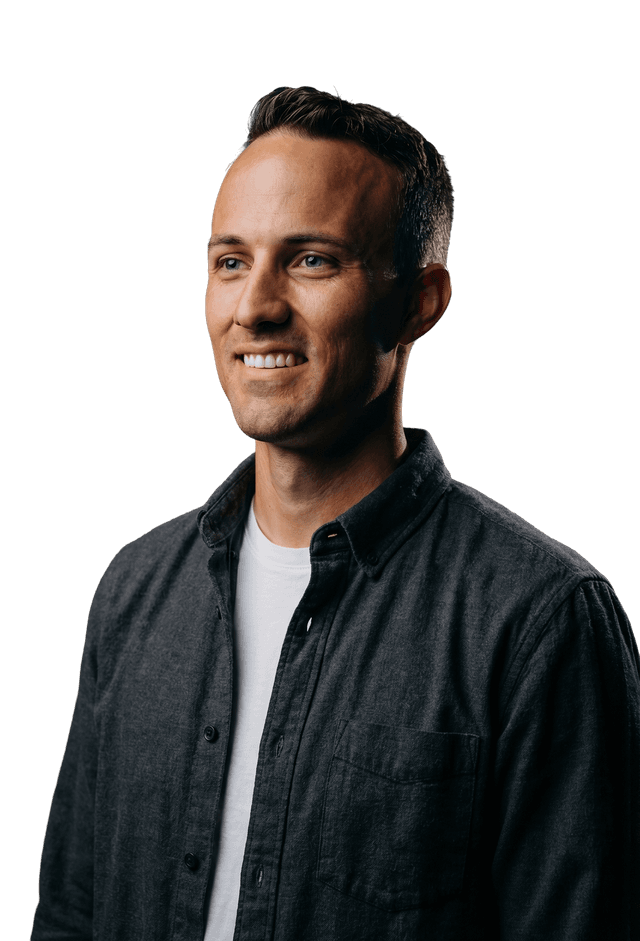
I talked with Lucas Wargha about what it takes to turn software engineers into product engineers at global scale - and why that starts with caring about outcomes more than tickets.
Lucas is an engineering manager at FamilySearch, working on Memories: a place for photos, audio, and stories that help people see family as more than names on a tree. His team sits inside a nonprofit mission that is easy to say and hard to operationalize: help people discover and connect with family. That mission shows up when they justify a big legacy rewrite, when they decide what to under-engineer on purpose, and when they push engineers to question work that does not move the product forward.
Customer literacy beats code literacy
One line from Lucas stuck with me: know your customer better than you know your code. Not because code stops mattering, but because implementation is getting cheaper while product judgment is not. He described talking to users in Brazil and learning that a translated word carried a different meaning than the English UX assumed - something you will not find by staring at a reducer.
We also talked about the Gmail password-loading story: engineers noticed that most people finish typing their password within a minute or two, so they started loading the inbox in the background after you enter your email. That is product-engineering thinking - using technical insight in service of a user outcome, not waiting for a PM to hand you the answer.
Stop the assembly line
Lucas is actively trying to end the pattern where engineers consume JIRA stories, ship a slice on one platform, and hand off to the next silo. He assigns epics and milestones so the person owns the outcome across web and mobile, which forces customer conversations, stakeholder coordination, and support-doc thinking that isolated tasks never surface.
The creators-versus-consumers frame landed too. Lucas wants engineers to be creators who understand the value their software creates for specific people - not glorified contractors who convert requirements into code and move on.
Homework and hope
Lucas's homework is specific: take your next story, talk to three different potential users across personas, and let what you learn change the work before you rush to done.
He also closed with hope for engineers in a scary market - we may be living through historic days, and recognizing that early might change how we build. I appreciated that tone after a practical conversation about org charts, personas, and global software.